 Wikimedia Commons
Ranunculaceae
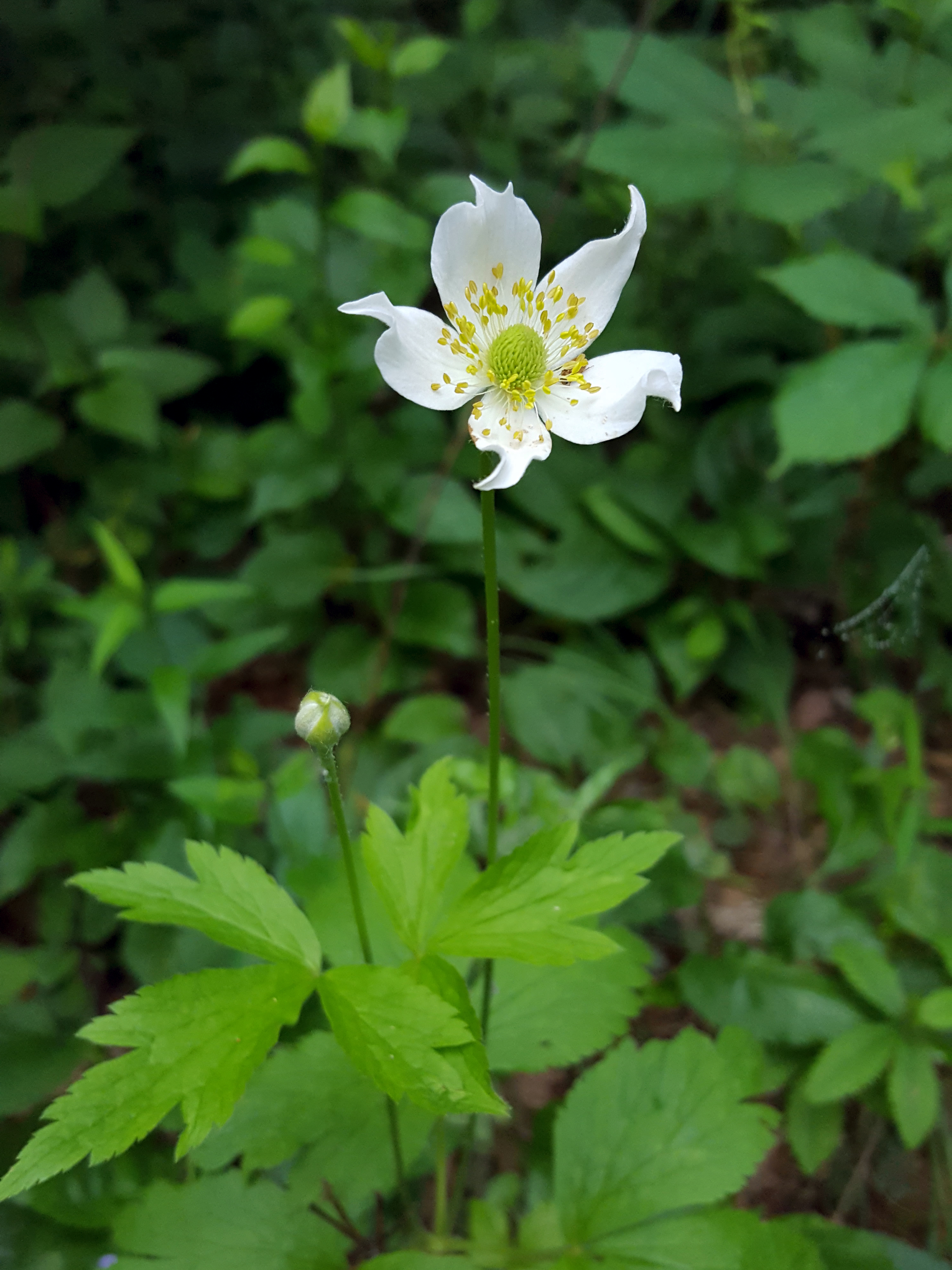
Thimbleweed
Anemone virginiana
woodland tenacity.
- Family
- Ranunculaceae
- Genus
- Anemone
- Native to
- Eastern North America
- Bloom season
- Spring, Summer
- Type
- perennial herb
- Height
- 2-3.5 ft
- Sunlight
- part shade to full sun
- Soil
- well-drained, rocky or sandy
- Water
- moderate
- Hardiness
- 4-8
- Lifespan
- perennial
Did you know
- Thimbleweed gets its name from the elongated, thimble-shaped seed head that develops after flowering — a woolly cylinder of seeds with feathery tails.
- The seed heads persist through autumn and winter, releasing seeds on the wind and providing textural interest in native garden designs.
- Native Americans used the plant in steam treatments — roots were boiled and the vapor inhaled to treat headaches and nervous conditions.
- It is a tough, drought-tolerant plant that colonizes rocky outcrops, dry forest edges, and old fields where few other species can persist.
- Unlike its showy cultivated anemone relatives from Asia, thimbleweed's flowers are small and subtle, relying on quantity rather than size to attract pollinators.
Color meanings
0
tenacity
1
independence
2
prairie memory