 Wikimedia Commons
Cactaceae
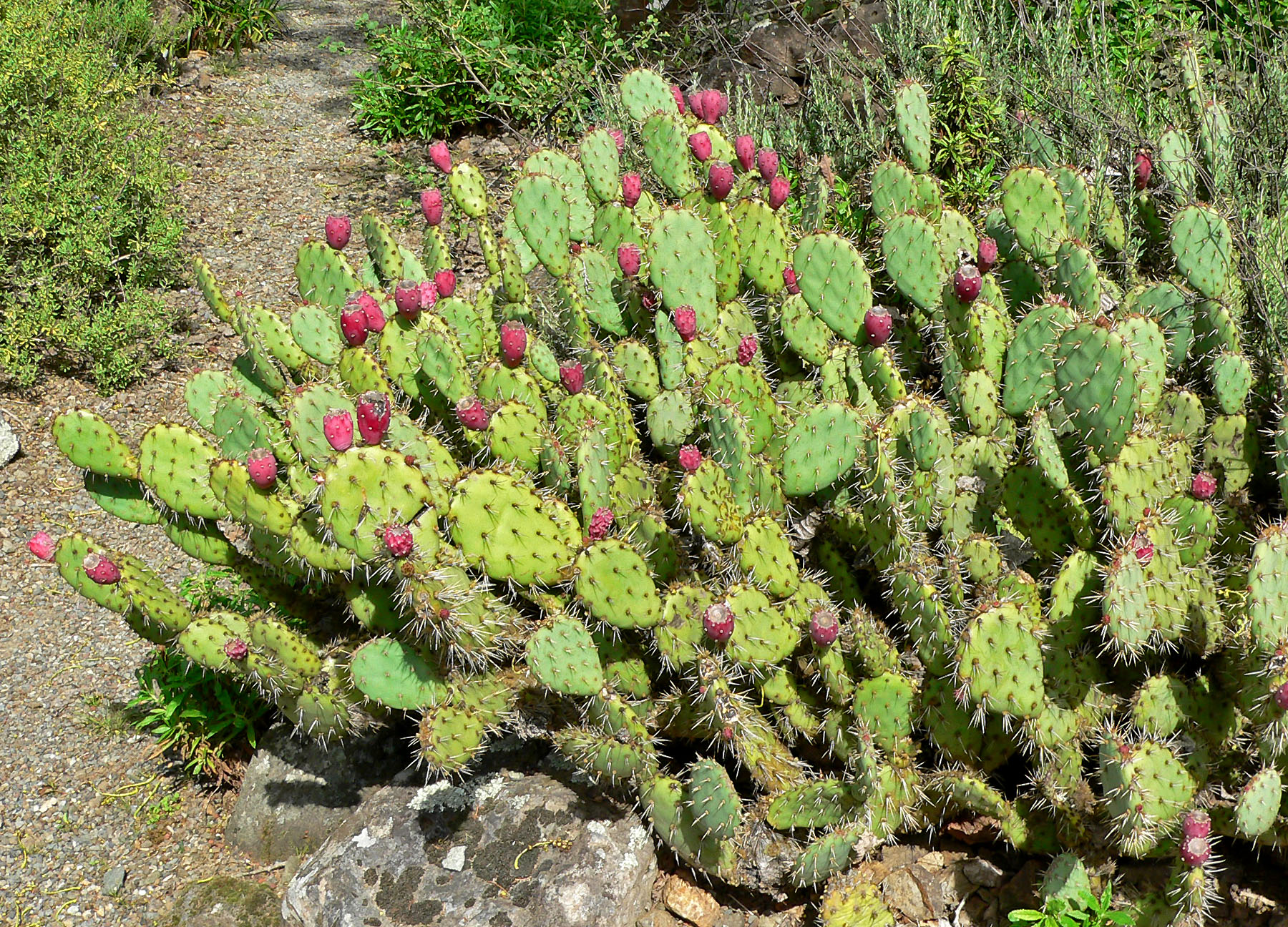
Prickly Pear Cactus Flower
Opuntia
Endurance, motherly love, warmth, practical love.
- Family
- Cactaceae
- Genus
- Opuntia
- Native to
- Americas (especially Mexico)
- Bloom season
- Spring, Summer
- Type
- succulent cactus
- Height
- 0.3–6 m
- Sunlight
- Full sun
- Soil
- Sandy, well-drained
- Water
- Very low; drought tolerant
- Hardiness
- 4–11 (varies by species)
- Lifespan
- Perennial
Did you know
- The prickly pear is featured on the flag and coat of arms of Mexico, depicted with an eagle eating a snake atop the cactus — fulfilling an Aztec prophecy.
- Both the flower buds, pads (nopales), and fruit (tunas) are widely eaten in Mexican cuisine and are rich in nutrients.
- Prickly pears were introduced to the Mediterranean by Spanish colonizers and have naturalized so widely they're considered Italian and North African staples.
- The cochineal insect, which lives on prickly pear pads, has been used to produce intense red dye since pre-Columbian times — still used in food and cosmetics today.
- Some prickly pear species are highly invasive in Australia and were once controlled with introduced cactus moths in one of history's most successful biological control efforts.