 Wikimedia Commons
Fabaceae
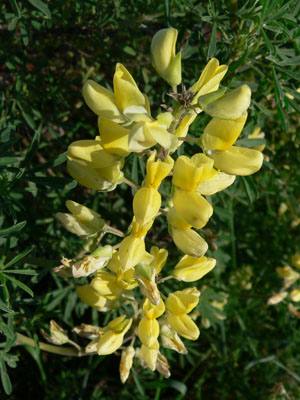
Tree Lupine
Lupinus arboreus
Coastal freedom and nitrogen-fixing generosity.
- Family
- Fabaceae
- Genus
- Lupinus
- Native to
- California
- Bloom season
- Spring, Summer
- Type
- evergreen shrub
- Height
- 100–200 cm
- Sunlight
- full sun
- Soil
- sandy, well-drained, poor
- Water
- low; drought-tolerant
- Hardiness
- 8–10
- Lifespan
- short-lived perennial; 5–8 years
Did you know
- As a legume, it fixes nitrogen from the air into the soil, enriching sandy coastal dunes for other plants.
- It is the only commonly cultivated lupine that forms a true woody shrub rather than an herbaceous plant.
- In its native California, it stabilizes sand dunes along the coast from Monterey to Oregon.
- Introduced to New Zealand and parts of Europe, it has become invasive by over-enriching nutrient-poor soils.
- The sweet honey-like fragrance of the flowers can be detected from many meters away on warm days.
Color meanings
Yellow
sunny optimism
Blue
loyalty to the coast