 Wikimedia Commons
Oleaceae
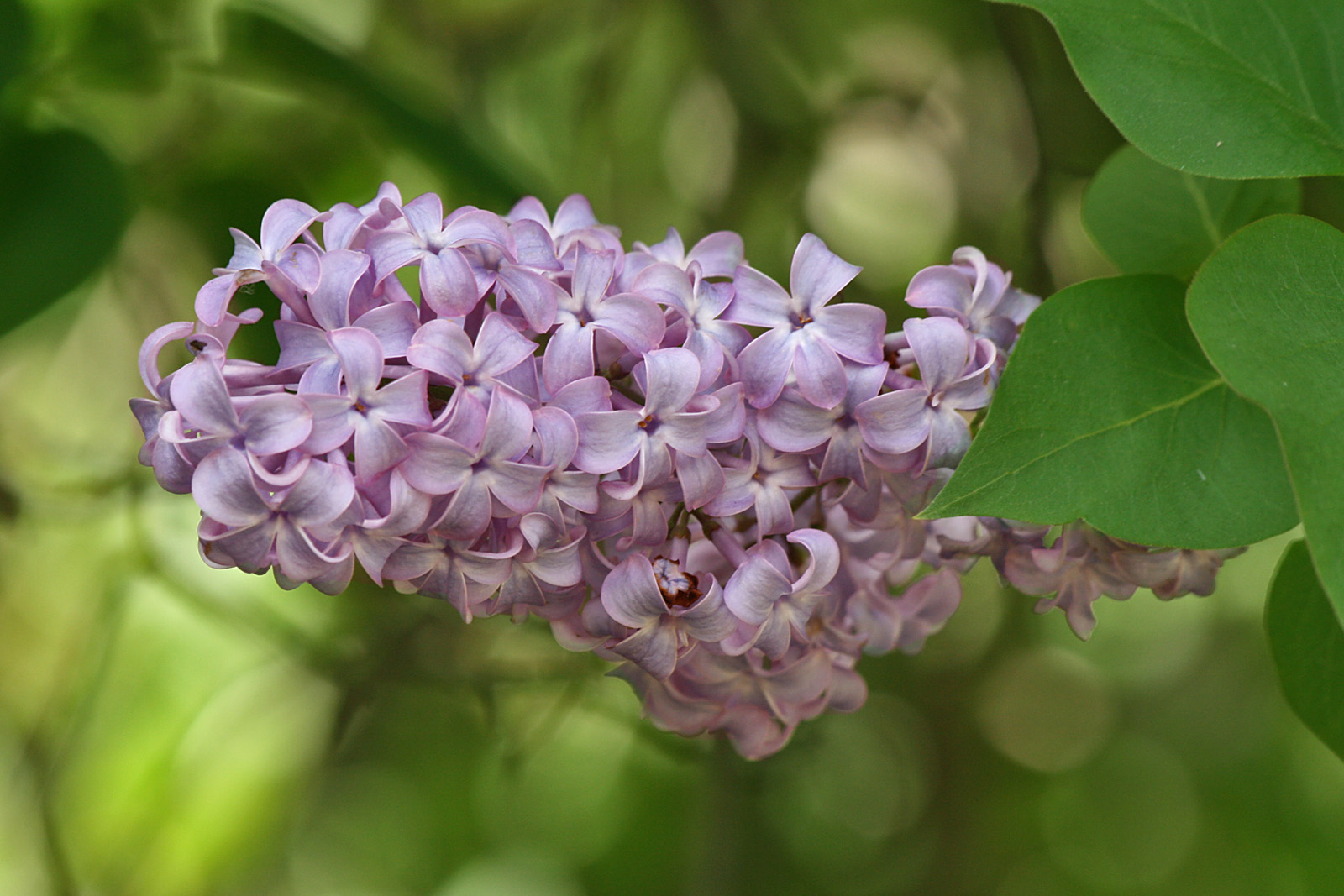
Lilac
Syringa vulgaris
First love, youthful innocence, the renewal of life, memory.
- Family
- Oleaceae
- Genus
- Syringa
- Native to
- Balkan Peninsula, Southeastern Europe
- Bloom season
- Late Spring
- Type
- deciduous shrub
- Height
- 2–7 m
- Sunlight
- Full sun
- Soil
- Well-drained, neutral to alkaline, fertile
- Water
- Moderate
- Hardiness
- 3–7
- Lifespan
- Perennial; some live over 100 years
Did you know
- The genus name 'Syringa' comes from the Greek 'syrinx' (pipe), because the hollow stems were once used to make reed pipes and panpipes.
- Lilacs are members of the olive family — surprisingly closely related to ash trees and forsythia.
- The world's largest lilac collection is at Hulda Klager Lilac Gardens in Washington, with hundreds of named cultivars.
- Walt Whitman immortalized the lilac in his elegy 'When Lilacs Last in the Dooryard Bloom'd,' written after Lincoln's assassination.
- Lilac flowers are edible and have a sweet, faintly bitter floral flavor — they're used in syrups, scones, and crystallized confections.