 Wikimedia Commons
Fabaceae
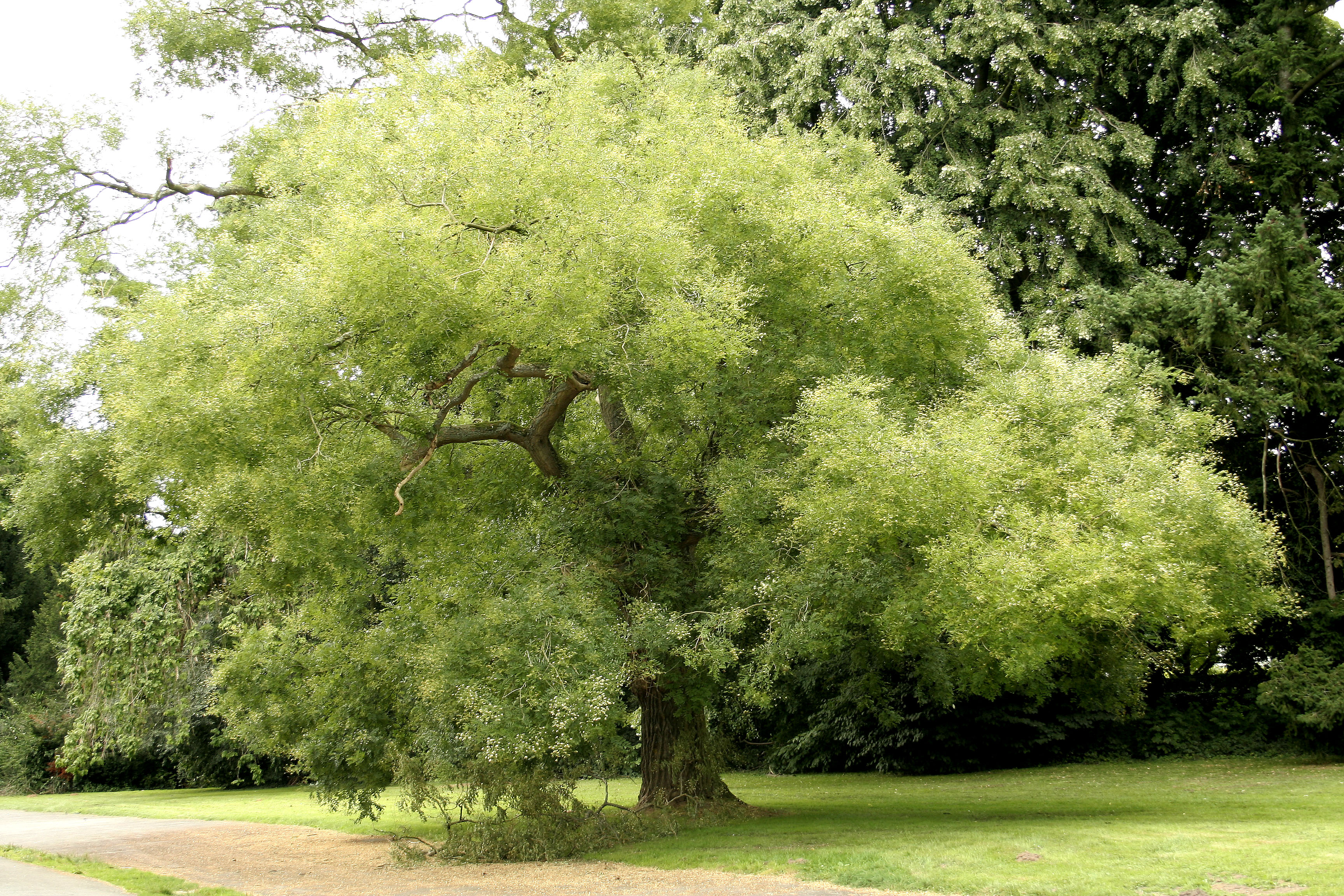
Japanese Pagoda Tree
Styphnolobium japonicum
Scholarly achievement and wisdom.
- Family
- Fabaceae
- Genus
- Styphnolobium
- Native to
- China, Korea
- Bloom season
- Late Summer
- Type
- deciduous tree
- Height
- 40-75 ft
- Sunlight
- full sun
- Soil
- well-drained, tolerates poor soil
- Water
- low to moderate
- Hardiness
- 4-8
- Lifespan
- perennial
Did you know
- Despite its common name, the tree is native to China, not Japan; it was introduced to Japan centuries ago and planted around Buddhist temples and pagodas.
- In China it was traditionally planted at the graves of scholars and officials, and three pagoda trees in the court symbolized the three highest government ministers.
- It is one of the last trees to bloom in summer, flowering in August when few other trees are in bloom, making it valuable for late-season pollinators.
- The flower buds contain rutin, a bioflavonoid used pharmaceutically to strengthen blood vessels and reduce capillary fragility.
- The tree has been planted along the streets of Beijing for over 1,000 years and remains one of the most common urban trees in northern China.
Color meanings
0
authority
1
scholarship