 Wikimedia Commons
Ranunculaceae
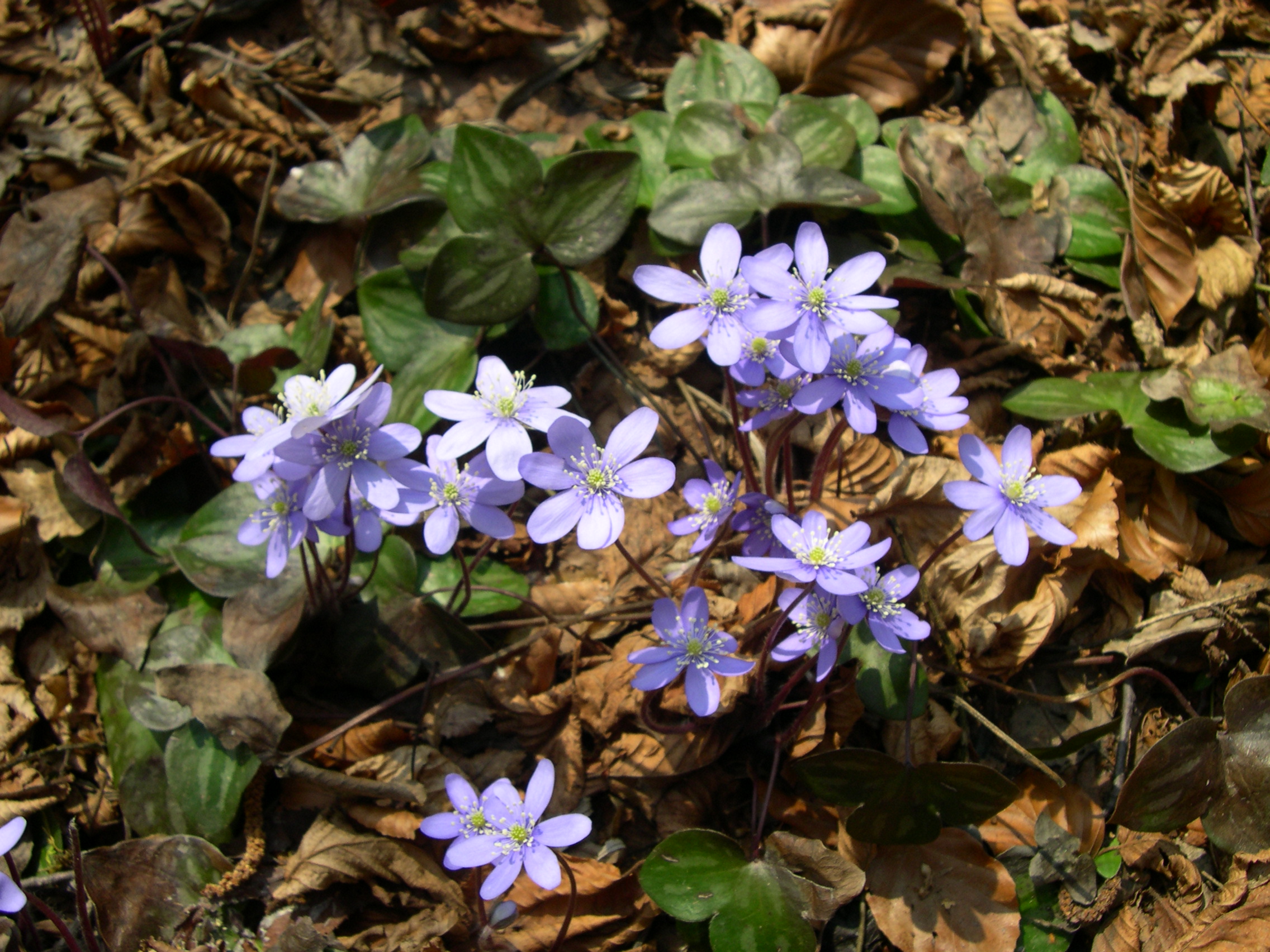
Hepatica
Anemone hepatica
Confidence, healing, quiet resilience.
- Family
- Ranunculaceae
- Genus
- Anemone
- Native to
- Northern Hemisphere temperate forests
- Bloom season
- Early Spring
- Type
- Herbaceous perennial
- Height
- 10–20 cm
- Sunlight
- Part shade to full shade
- Soil
- Rich, moist, calcareous
- Water
- Moderate
- Hardiness
- 4–8
- Lifespan
- Very long-lived
Did you know
- Hepatica is one of the very first wildflowers to bloom in northern forests — sometimes pushing through the last patches of melting snow.
- The name comes from the Greek hepar (liver) because the three-lobed leaves were thought to resemble a human liver — making it a 'doctrine of signatures' liver remedy.
- The leaves are evergreen and persist all winter under the snow, ready to photosynthesize the moment spring arrives.
- In Japan, hepatica (called 'yukiwariso', or snow-breaker) is the subject of an obsessive collector's hobby — rare double and bicolor forms can sell for hundreds of dollars per plant.
- The flowers actually have no true petals — what look like petals are colored sepals that open in sunshine and close at night.
Color meanings
Blue
Trust